

The Story of AlHadi
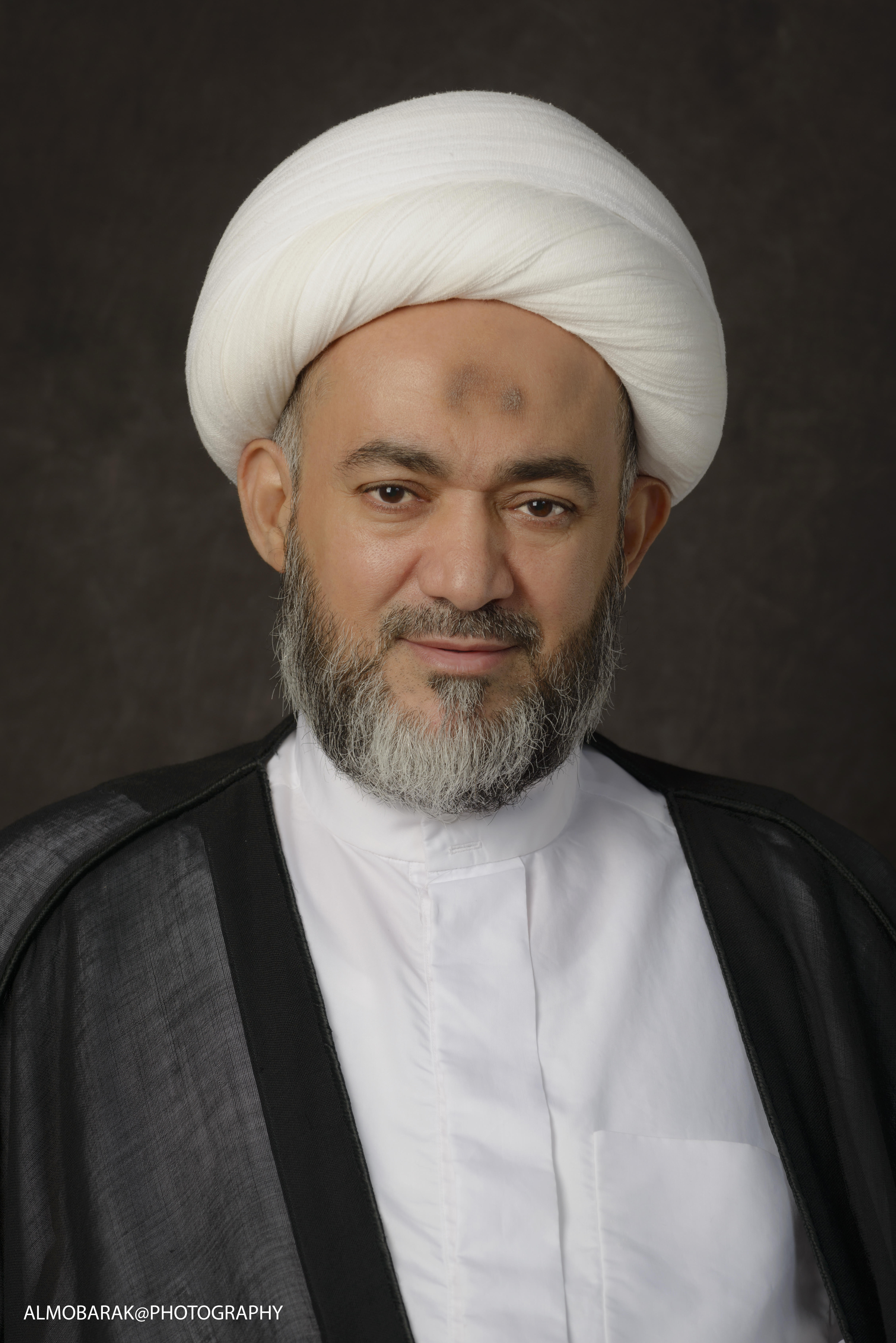

Amir Hasan Al-Mohammed Saleh
Every month began with a familiar appointment—upon the confirmation of the Hilal. Once the prayer times for the entire month had been compiled, Shaikh Tawfiq would visit Amir at his home in the Al-Zuqayjan neighborhood of Al-Ahsa. After the warmth of a simple and generous welcome, Amir would take up a ruler and a pen, carefully drawing the calendar tables, arranging them with precision, and embellishing them with inspiring sayings and words of wisdom.
Those gatherings marked the beginning of a remarkable journey. What began as a humble effort gradually flourished into a lasting legacy of goodness and blessing by the grace of Allah. Shaikh Tawfiq would dictate each prayer time, while Amir patiently recorded every one of them by hand. The Al-Ahsa Calendar was the first edition, soon followed by a combined calendar serving Dammam, Dhahran, Khobar, and Qatif, together with dedicated editions for Jubail and Riyadh.
This blessed collaboration continued for four years, until the end of 1414 AH. Month after month, one would dictate the prayer times while the other carefully wrote them down, transforming numbers into a calendar that would serve an entire community. Their gatherings were filled with warm hospitality, careful craftsmanship, and sincere devotion, producing prayer timetables ready for printing and distribution.
May Allah grant you both the best and most abundant reward for every believer who, through this calendar, was guided to prepare for prayer and observe it at its proper time.
(Safar 1411 AH / August 1990 AD – Dhu al-Hijjah 1414 AH / May 1994 AD).
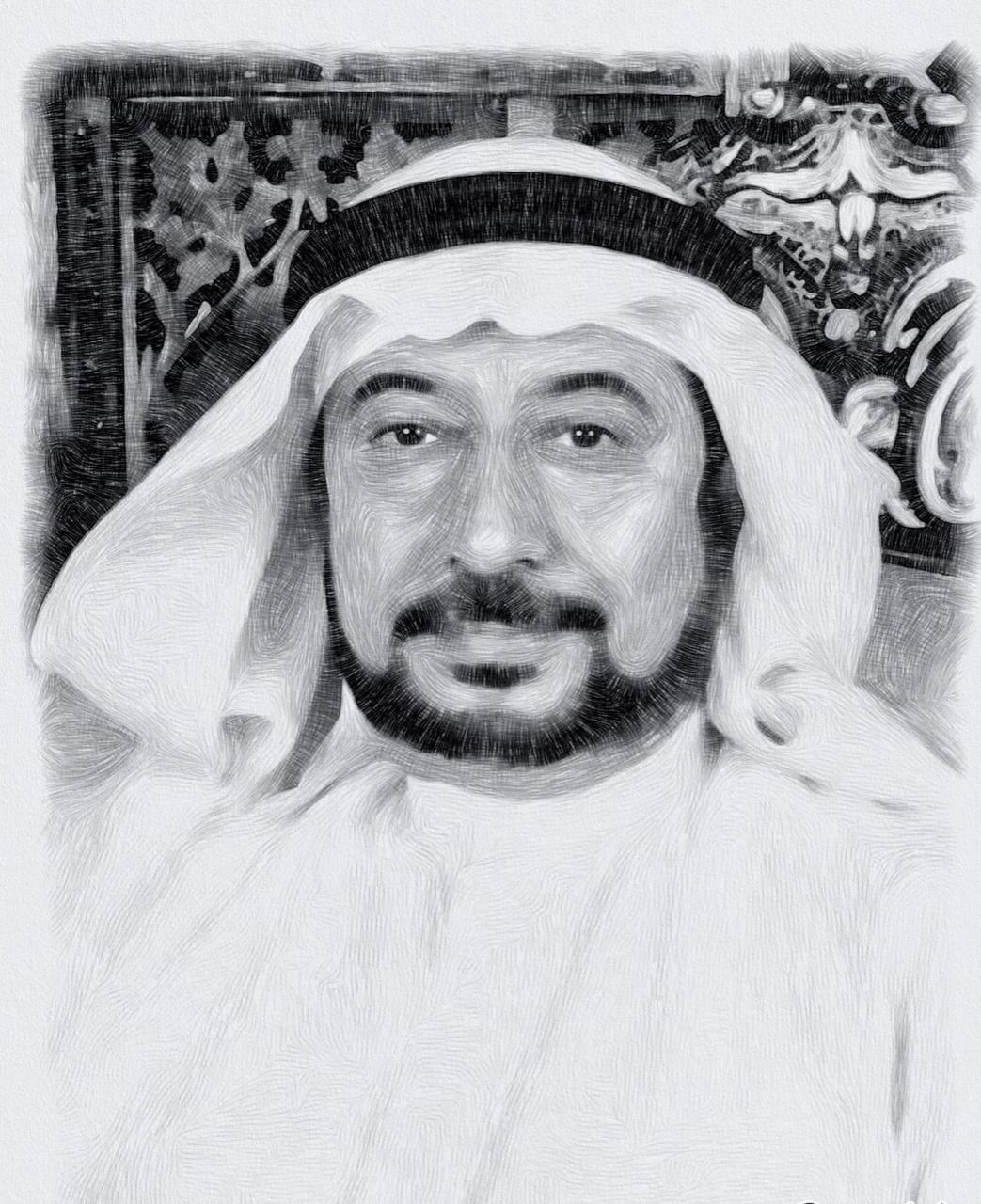
The late Hajj Yaseen Abdulhamid Al-Baghli
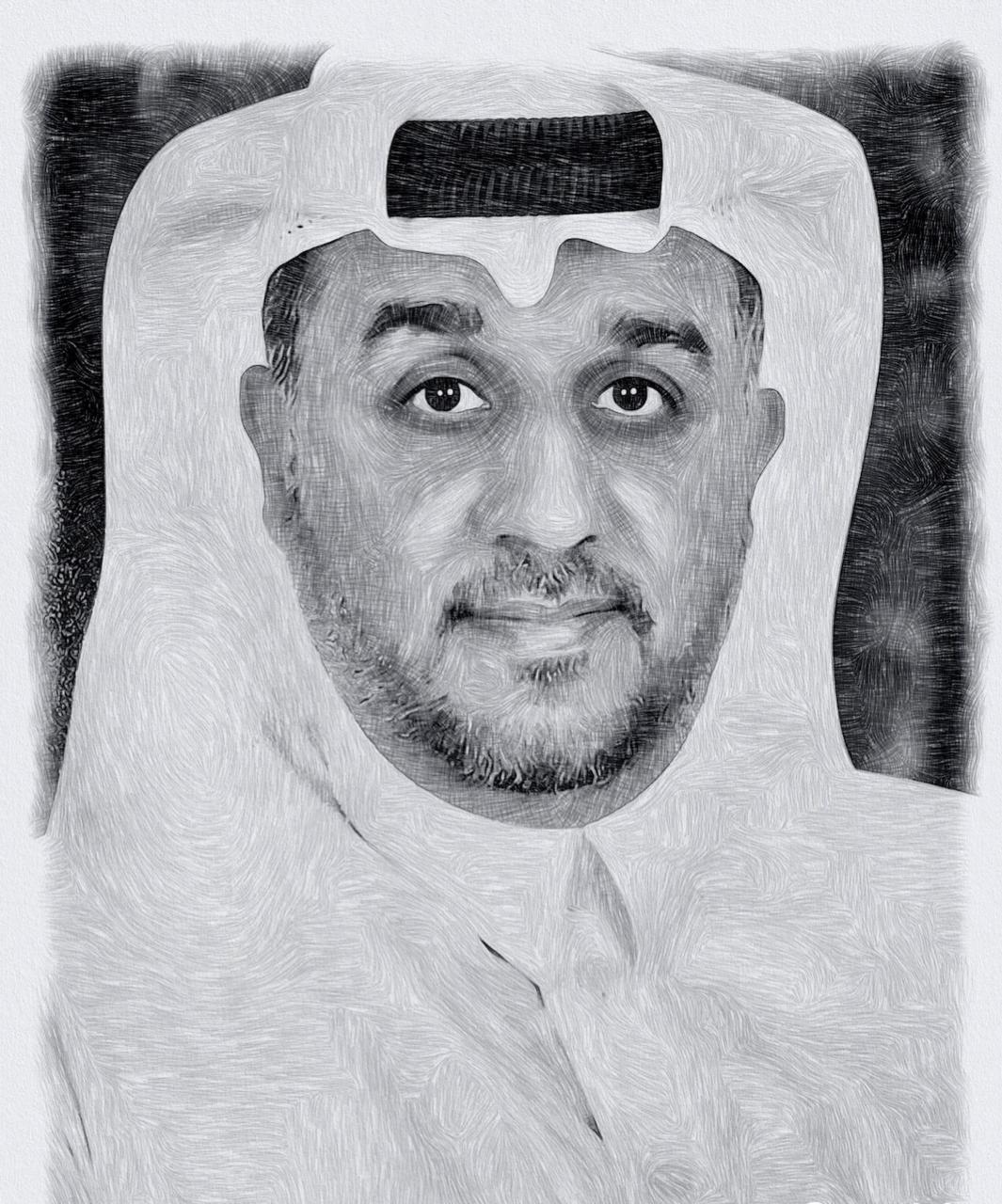
Hasan Mohammed Al-Abd Al-Salam
When the calendar became an integral part of society and was issued on a monthly basis, Hasan was the one who pledged himself to sit down every month to prepare the monthly calendar and make ready for printing using the program founded by Yassin Al-Baghli. Tirelessly, Hasan made this effort for ten continuous years. So You shall be rewareded by Allah for such great efforts Hasan (Muharram 1415 / July 1994 to Dhu al-Hijjah 1424 / January 2005).

The first text ads
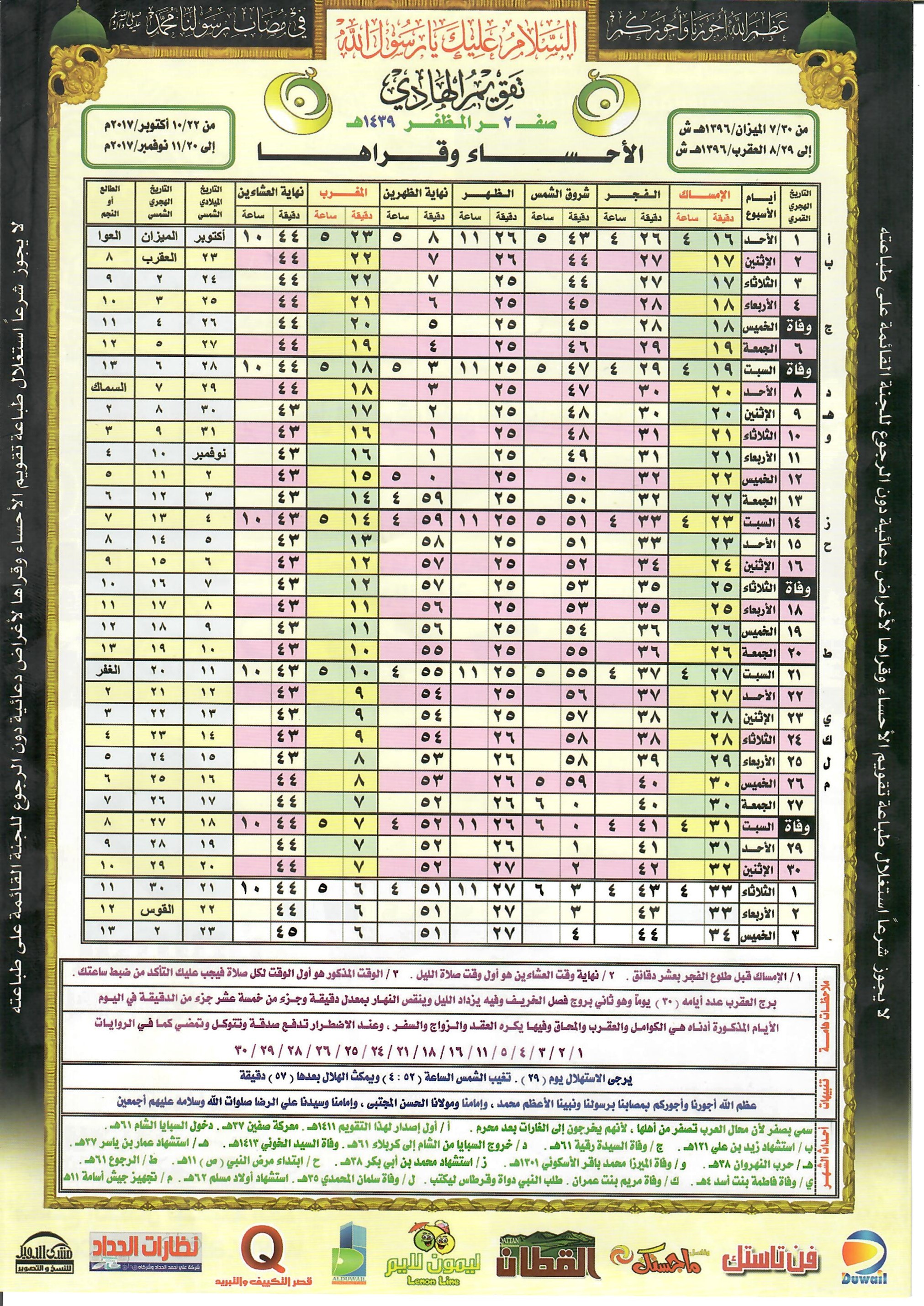
The month is Ramadan Al-Khair for the year 1415 AH, when the first humble attempt to transform the calendar into an advertising medium began. In the photo library on the home page, you will find the first text ad posted on the back page of the calendar. This modest initiative lasted for several months, but ended as modestly as it began (February 1995).
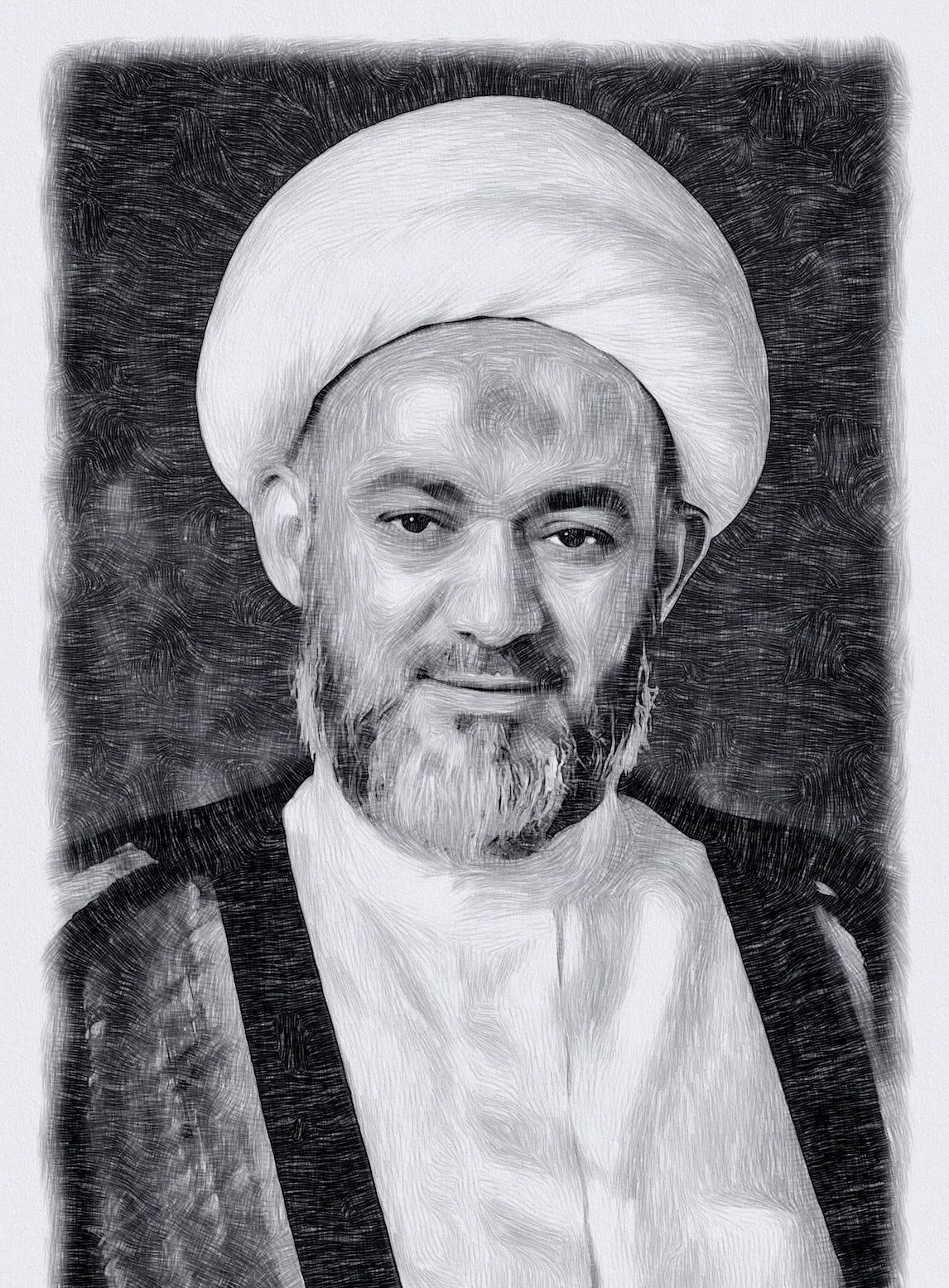
Shaikh Tawfiq
Shaikh Tawfiq

Al-Duwail Forum
The credit was given to the owners of the Al-Duwail Forum in lifting up and transforming the calendar into a prestigious paper advertising medium for cities whose calendars are printed out. Where the calendar was re-produced and beautiful formats were introduced, and it changed monthly in a manner consistent with the main events of the month, which made it an attractive means for local advertisements, which was successfully managed by the owners of the forum. In the photo library on the home page, you can see one of the paper copies of the advertisements that were published with the calendar (Shawwal 1428/October 2007 to Dhul Qi’dah 1440/June 2019).
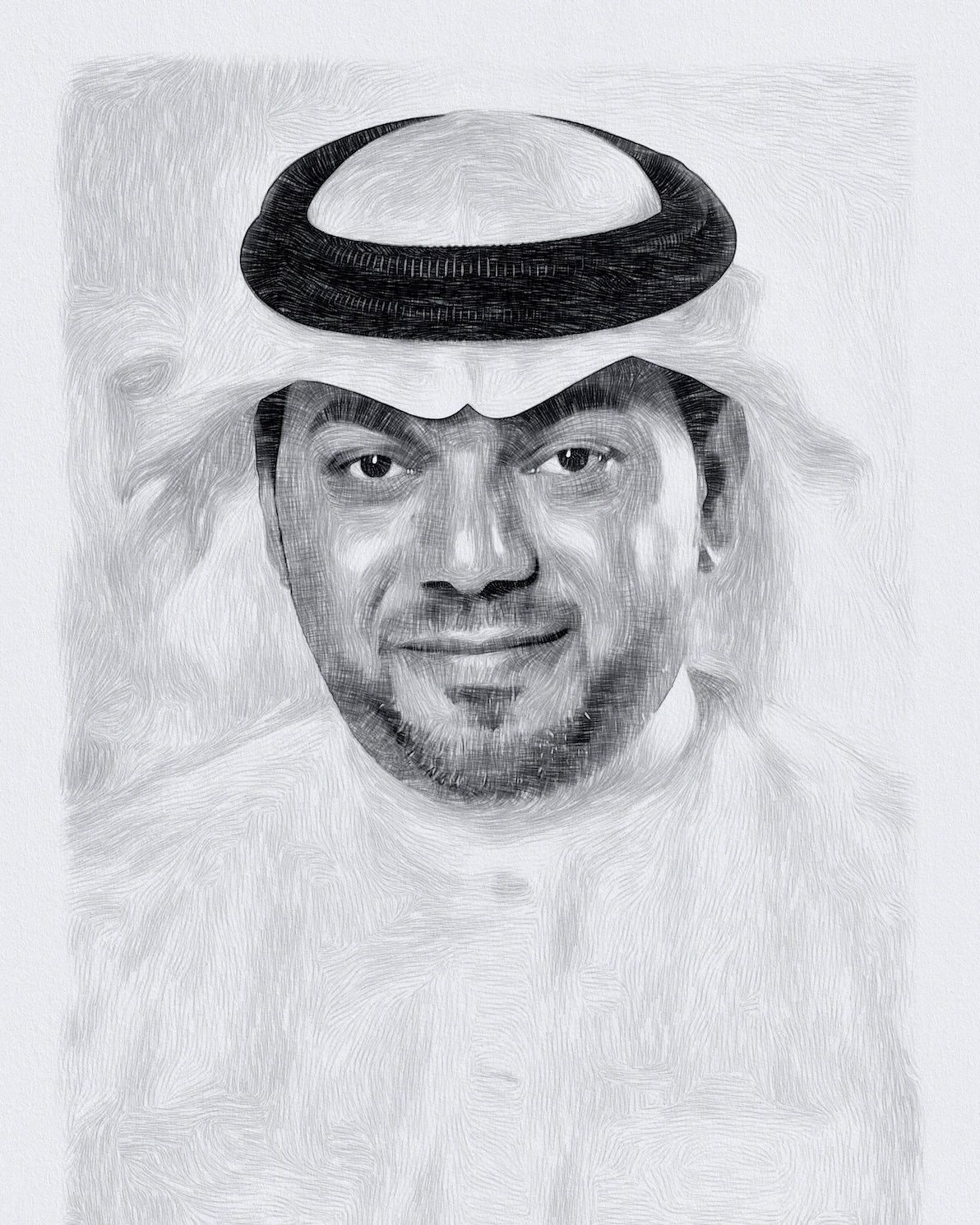
Imam Al-Hadi Committee website
In the month of Shawwal for the year 1429 AH, the initiative to upload electronic copies of the calendar for (143) cities around the world began on the website of the Imam Al-Hadi Committee, peace be upon him, www.alhadi.ws. So it became the main destination for obtaining Al-Hadi calendar around the world. And until the month of Jumada al-Awwal for the year 1443 AH, the number of downloads for the electronic copies of the calendar reached more than two million times for all cities for which the calendar is issued. Behind this charitable work was Hasan Habib Al-Haddad for nearly fourteen years of relentless effort. Where he was uploading calendars on the site on a monthly basis for (143) cities around the world. May Allah reward you for that Hasan (Shawwal 1429/October 2008 to Jumada Al-Awwal 1443/December 2021).

Adopting Al-Hadi Calendar Name
The name Al-Hadi Calendar was adopted in the month of Rabi` al-Akhar for the year 1430 AH, corresponding to March 2009.

Hani Naser Al-Buali
Hani took the initiative to prepare the monthly calendar using the program that was done by Yassin Al-Baghly. Then, Hani sends the calendar for printing at the Al-Duwail Press, until the paper printing stopped and he continued to issue the electronic version of the calendar on a monthly basis. This effort and commitment extended for five years tirelessly. May Allah reward you on behalf of the community (Rabi Al-Awwal 1439 - November 2017).

Hasan AbdulHadi Al-Sabti
The initiative was personal and smart when Hasan presented the www.sabti-h.com page to the community after preparing it to display AlHadi calendar with the addition of a countdown to the next prayer and a prominent display of the time of the next prayer. It was a trial work by Hasan, but in a few months it turned into a central and important page that many rely on to know prayer times. Allah has ordained for her a great fortune of success and repayment, as the number of visits to his page reached more than (15) million visits from the year 1439 AH to the time of writing these lines. The zakat of your knowledge, Hasan, was great, and we ask Allah Almighty to perpetuate your success (Rabee Awwal 1439 / November 2017).
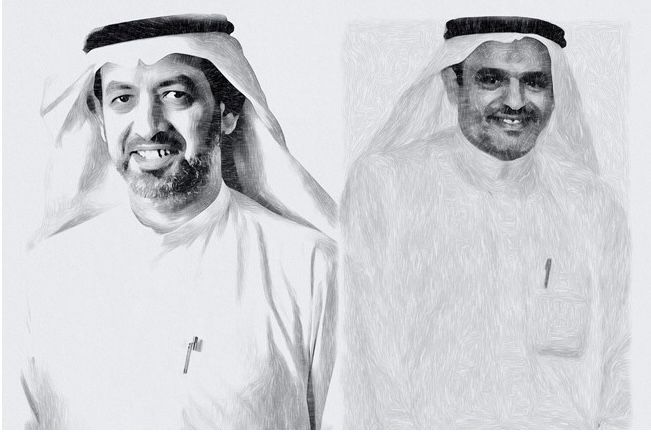
Yousif & Adam
Yousif & Adam
stop paper
stop paper

Mohammad Albahrani
Mohammad Albahrani
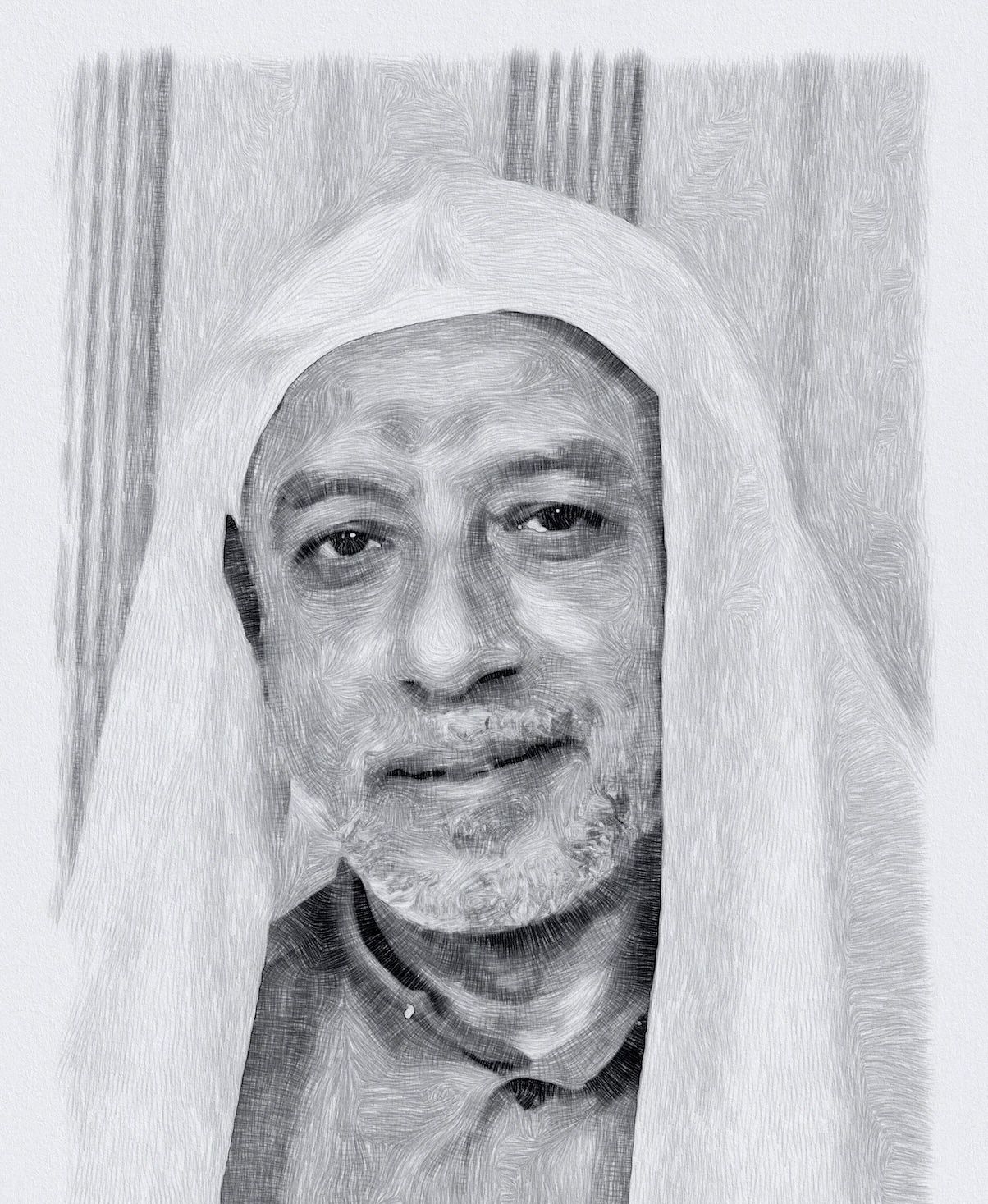
Sami Albaghli
Sami Albaghli

First app Android
First app Android

2nd app launch
2nd app launch

AlHadi webpage
AlHadi webpage

A New Identity… The Same Enduring Message
In Ramadan 1447 AH, we launched our new identity under the slogan: A New Identity… The Same Enduring Message.
A step forward in our journey of continuous development and a renewed commitment to our mission.

أحمد ابن الشيخ توفيق البوعلي
أطربَت مسامعه حكايات والده بكل حب وعاطفة عن تقويم الهادي وتطوره خلال السنين والجهود المبذولة فيه. فتراءى له في مُحيّا والده الباسم وحَدَقَة عينه إرثاً عظيماً وكياناً شامخاً قدمه والده للمجتمع خلال هذه السنين. فقدم الولد لوالده فكراً جديد وعملاً دؤوباً وتكريس لقدراته ومهاراته في تأسيس وإطلاق تطبيقي الهادي في نسختيه الأولى والثانية ليكون امتداداً لتقويم الهادي ، هذا الإرث العظيم والكيان الشامخ الذي بذره والده منذ أكثر من ثلاثين سنة فأصبح المجتمع يقطف من ثماره خلال السنين سائلاً من الله أن يتقبل منه هذا الجهد كقليلٍ من بر الوالدين في صحيفة أعماله.
وفي الختام ، نذكر أسماء ممن قدم جهود في خدمة التقويم وهم علي حسن علي المطوع و المرحوم المهندس حسين أحمد الحمراني أو ساعد في نشر وتوزيع التقويم وهم حسن حبيب الحداد و يوسف حسين الهلال والمرحوم آدم علي المبارك ويوسف أحمد البراهيم وعلي أحمد العشوان. سائلين من الله لجميع هذه الجهود التوفيق والقبول.